

1. What is Step Lights ? What are the advantages of Step Lights ?
Step lights are a type of lighting fixture that is mounted into stairs or steps to provide illumination. These lights are commonly used in outdoor spaces such as decks, patios, and walkways, but they're also popular in interior settings like staircases and theaters.
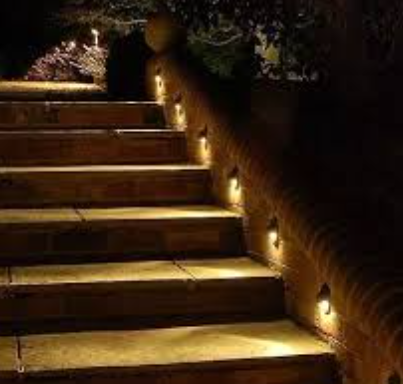
One of the primary advantages of step lights is safety. Often, steps and stairs can be difficult to navigate, particularly in low light conditions. With step lights, the path is clearly illuminated, making it easier to navigate and reducing the risk of falls and injuries. Step lights can also be used to highlight potential hazards, such as uneven steps or changes in elevation.
Another advantage of step lights is their aesthetic appeal. These lights can add to the overall ambiance of a space, particularly at night when they help to create a warm and inviting atmosphere. In addition, step lights can be customized to match the style and decor of a space, making them a versatile option for homeowners and designers.
Step lights are also energy-efficient. Many models use LED technology, which consumes less energy than traditional incandescent bulbs. As a result, step lights can help homeowners to save on energy costs while also reducing their carbon footprint.
In terms of maintenance, step lights are relatively easy to care for. They require little maintenance beyond occasional cleaning to remove dirt and debris. Furthermore, step lights are typically made from durable materials that are designed to withstand the elements, making them a long-lasting investment.
Overall, step lights offer a range of benefits, including safety, aesthetics, energy efficiency, and low maintenance requirements. Whether used indoors or outdoors, these lights can enhance the overall functionality and ambiance of a space while also providing added safety and convenience.
2. Is Step Lights energy-saving?
Yes, step lights are energy-saving. Many step lights are designed to use LED technology, which is known for its energy efficiency. LED lights use significantly less energy than traditional incandescent bulbs, which means that they can help homeowners to save on their energy bills.
In addition to their energy efficiency, LED step lights also have a longer lifespan than traditional bulbs, which means that they do not need to be replaced as frequently. This makes them a cost-effective lighting solution over the long term.
Furthermore, LED technology is environmentally friendly. LED lights consume less energy and release fewer greenhouse gases than traditional incandescent bulbs, which means that they can help to reduce an individual's carbon footprint. This is particularly important in today's world, where climate change is a growing concern.
Apart from LED technology, there are other energy-saving features that can be incorporated into step lights. For example, some step lights are designed with motion sensors that turn the lights on only when someone is using the stairs. This not only saves energy but also helps to extend the lifespan of the LED bulbs.
Another energy-saving feature that can be incorporated into step lights is dimming capability. This allows homeowners to adjust the brightness of the lights according to their needs, which can help to further reduce energy consumption.
In conclusion, step lights are energy-saving due to their use of LED technology, motion sensors, and dimming capability. By choosing energy-efficient step lights, homeowners can save on their energy bills, reduce their carbon footprint, and contribute to a more sustainable future.
3. What are the usage scenarios of Step Lights ?
Step lights are an incredibly versatile lighting solution that can be used in a variety of scenarios, both indoors and outdoors. Here are some of the most common usage scenarios of step lights:
Staircases: One of the most common uses of step lights is in staircases. By installing step lights on the stairs, homeowners can increase safety and reduce the risk of falls and injuries. Step lights can also add to the aesthetic appeal of the space, particularly in the evening when they help to create a warm and inviting atmosphere.
Decks and patios: Step lights are also commonly used in outdoor spaces such as decks and patios. By installing step lights on the deck or patio steps, homeowners can create a welcoming ambiance that is perfect for entertaining guests or simply enjoying a quiet evening outdoors.
Walkways: Step lights can also be used to illuminate walkways, making it easier to navigate in low light conditions. This is particularly useful in outdoor spaces such as gardens or pathways that may be difficult to navigate at night.
Theaters: Step lights can also be used in theaters to guide patrons safely up and down the stairs. This not only improves safety but also adds to the overall ambiance of the space.
Commercial buildings: Step lights can also be used in commercial buildings such as hotels, restaurants, and shopping malls. In these scenarios, step lights can help to improve safety by illuminating staircases and walkways, while also adding to the aesthetic appeal of the space.
Overall, the usage scenarios of step lights are vast and varied. Whether you are looking to increase safety, enhance the aesthetic appeal of a space, or simply improve visibility in low light conditions, step lights are an excellent lighting solution that can be tailored to meet the needs of any scenario. With their energy efficiency, ease of maintenance, and durability, step lights are a smart investment that can provide long-lasting benefits for homeowners and businesses alike.

4. How to install Step Lights and how difficult is it ?
The installation of steplights is generally a straightforward process that can be completed by homeowners with basic electrical knowledge. Here are the general steps involved in the installation of steplights:
Choose the right type of steplights: The first step in the installation of steplights is to select the right type of lights. This includes choosing between recessed and surface-mounted lights, as well as selecting the appropriate size and style of light that will fit the stair or step.
Prepare the area: Before beginning the installation process, it's important to prepare the area where the steplights will be installed. This includes cleaning the area to remove any dirt, debris, or other materials that may interfere with the installation process.
Determine the wiring: The next step is to determine the wiring for the steplights. Depending on the location and type of lights being installed, wiring may need to be run from an existing electrical source or a new electrical source may need to be installed. It's important to ensure that the wiring is installed safely and meets all local electrical codes.
Install the lights: The final step is to install the steplights. This involves cutting the holes for recessed lights, attaching the surface-mounted lights to the stairs or steps, and connecting the lights to the electrical wiring.
Overall, the installation process for steplights is not overly difficult, but it does require some basic electrical knowledge and tools. Homeowners who are not comfortable working with electrical wiring may want to consider hiring a professional electrician to complete the installation process.
It's important to note that the installation process may vary depending on the specific type and style of steplights being installed. Some lights may require additional steps, such as the installation of dimmer switches or the use of special mounting hardware.
In summary, the installation of steplights is a relatively simple process that can be completed by homeowners with some basic electrical knowledge. By following the steps outlined above and ensuring that all electrical work is done safely and to code, homeowners can enjoy the benefits of safe, energy-efficient lighting in their staircases, decks, patios, and other outdoor spaces.
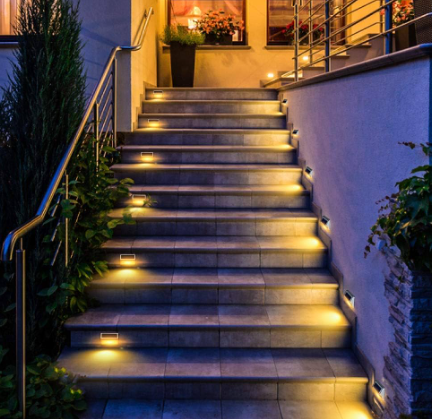
5. What are the choices of materials and styles for Step Lights ?
Step lights are a popular lighting option that can add both functionality and style to any staircase. They provide a safe and inviting way to navigate stairs in low-light conditions, while also enhancing the overall aesthetic of your space. If you're considering adding step lights to your home or commercial property, you'll find a range of choices when it comes to materials and styles. Here are some of the most popular options:
Materials:
Aluminum: Aluminum is a durable and lightweight material that is commonly used in step light fixtures. It's resistant to rust and corrosion, making it ideal for outdoor use.
Stainless Steel: Stainless steel is a popular choice for step lights due to its sleek appearance and durability. It's also resistant to rust and corrosion, making it a great option for use in wet or humid environments.
Brass: Brass is a classic choice for step lights, thanks to its elegant appearance and durability. It's resistant to rust and corrosion, making it a great option for both indoor and outdoor use.
Plastic: Plastic step lights are lightweight and affordable, making them a popular choice for budget-conscious buyers. They come in a range of colors and styles, and are ideal for use in dry indoor environments.
Styles:
Recessed Lights: Recessed step lights are designed to be installed flush with the surface of the stairs, creating a seamless look that blends in with the surrounding architecture.
Surface-Mounted Lights: Surface-mounted step lights are attached directly to the surface of the stairs, creating a more prominent and visible lighting effect.
Round Lights: Round step lights are a popular choice for both indoor and outdoor use. They come in a range of sizes and styles, and can be recessed or surface-mounted.
Square Lights: Square step lights are similar to round lights, but offer a more modern and contemporary look. They can be recessed or surface-mounted, and are available in a range of sizes and styles.
LED Lights: LED step lights are energy-efficient and long-lasting, making them an ideal choice for both residential and commercial applications. They come in a range of styles and colors, and can be recessed or surface-mounted.
Choosing the right materials and styles for your step lights will depend on your personal preferences and the specific needs of your space. By considering factors such as durability, style, and energy efficiency, you'll be able to find the perfect step lights to enhance the safety and beauty of your staircase.
We are an innovation-oriented manufacturer of LED lighting in China, specializing in the innovative manufacturing of LED bollard light, LED spike light, Outdoor Wall light, LED Inground light, LED Underwater light, and more interior LED lighting for over 8 years. With excellent quality and top-notch service, our company won great popularity among customers.
