

Wall Washers are a type of lighting fixture that is designed to illuminate a large area of a wall or facade. They are commonly used for outdoor applications, such as illuminating the exterior of a building or landscape. Wall Washers are designed to project a wide beam of light that covers a large surface area, creating a dramatic and visually appealing effect.
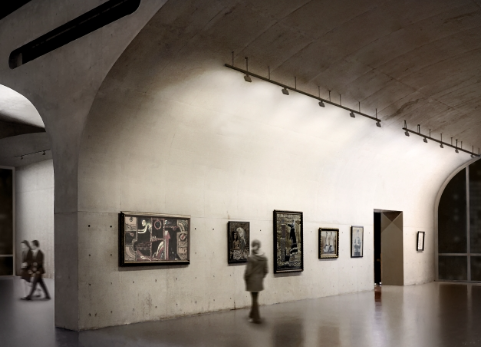
One of the main advantages of Wall Washers is their ability to create a uniform and even illumination across a large surface area. This is achieved by using a wide beam angle and a specific lens design that evenly distributes the light across the wall or surface. This creates a soft and diffused lighting effect that is perfect for creating a beautiful ambiance in outdoor spaces.
Another advantage of Wall Washers is their flexibility and adaptability. They can be used in a variety of applications and can be easily adjusted to suit different lighting needs. Wall Washers can be used to highlight specific architectural features, create a stunning visual effect, or simply provide general illumination for outdoor spaces.
In addition to their flexibility, Wall Washers are also energy-efficient and cost-effective. They use LED technology, which consumes significantly less energy than traditional lighting sources, reducing energy costs and emissions. LED technology also has a longer lifespan, which means that Wall Washers require less maintenance and replacement over time, reducing the overall cost of ownership.
Wall Washers are also highly durable and weather-resistant, making them suitable for outdoor installations in a variety of environments. They are often constructed from high-quality materials that are designed to withstand extreme temperatures, moisture, and UV radiation. This ensures that they are able to provide reliable and long-lasting performance in even the most challenging outdoor conditions.
In conclusion, Wall Washers are a versatile and effective lighting solution for outdoor applications. They offer a range of benefits, including uniform and even illumination, flexibility and adaptability, energy efficiency and cost-effectiveness, and durability and weather-resistance. Whether you are looking to highlight specific architectural features, create a stunning visual effect, or simply provide general illumination for outdoor spaces, Wall Washers are a great choice.
Yes, Wall Washers are energy-saving lighting fixtures due to their use of LED technology. LED (Light Emitting Diode) is a type of semiconductor that produces light when an electric current is passed through it. Compared to traditional lighting sources, such as incandescent bulbs or fluorescent lamps, LED technology consumes significantly less energy while providing the same or even better level of illumination.
One of the main reasons why Wall Washers are energy-saving is their high luminous efficiency. Luminous efficiency refers to the amount of light emitted per unit of power consumed. LED Wall Washers have a high luminous efficiency, with some models capable of producing up to 100 lumens per watt. This means that they can produce the same amount of light as traditional lighting sources while using significantly less power.
Another reason why Wall Washers are energy-saving is their low power consumption. LED technology requires only a fraction of the power needed by traditional lighting sources, making it a more efficient and cost-effective lighting solution. For example, a 10-watt LED Wall Washer can produce the same amount of light as a 50-watt incandescent bulb or a 20-watt fluorescent lamp. This results in significant energy savings and lower electricity bills.
Furthermore, Wall Washers have a longer lifespan than traditional lighting sources, which also contributes to their energy-saving properties. LED technology has a lifespan of up to 50,000 hours, compared to 1,000 hours for incandescent bulbs and 10,000 hours for fluorescent lamps. This means that Wall Washers require less frequent replacement, resulting in lower maintenance costs and less waste.
In addition to their energy-saving properties, Wall Washers also offer other benefits, such as a high color rendering index (CRI), which refers to their ability to reproduce colors accurately, and a wide range of color temperatures, which allows for more flexibility in lighting design.
In conclusion, Wall Washers are an energy-saving lighting solution that offers a range of benefits, including high luminous efficiency, low power consumption, long lifespan, and flexibility in lighting design. By choosing Wall Washers, individuals and businesses can reduce their energy consumption, lower their electricity bills, and contribute to a more sustainable future.
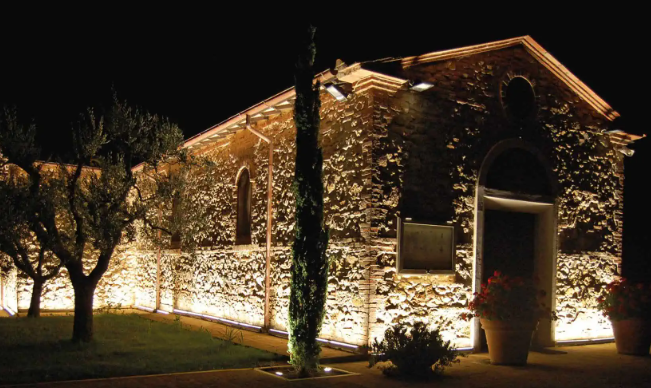
Wall washers are versatile lighting fixtures that are commonly used in various settings to create an aesthetically pleasing ambiance and enhance the overall atmosphere of a space. Their unique design allows them to illuminate large vertical surfaces such as walls, creating a uniform and consistent light distribution. Here are some common usage scenarios of wall washers:
Architectural lighting: Wall washers are often used in architectural lighting to highlight the textures, colors, and contours of buildings. They can be strategically placed to accentuate architectural features such as columns, arches, and facades, adding depth and dimension to the overall design.
Retail environments: In retail settings, wall washers are used to draw attention to merchandise displays, signage, and branding elements. By illuminating the walls with a soft, even light, wall washers create a welcoming and inviting atmosphere that encourages customers to explore the space and engage with the products on display.
Hospitality industry: Wall washers are popular in hotels, restaurants, and bars to create a warm and inviting ambiance for guests. They can be used to highlight artwork, decorative elements, and architectural details, adding a touch of elegance and sophistication to the interior design.
Museums and art galleries: Wall washers play a crucial role in museum and gallery lighting by providing uniform illumination for exhibits and artworks. By carefully positioning wall washers, curators can control the direction and intensity of light to enhance the visual impact of the displays while minimizing glare and shadows.
Outdoor spaces: Wall washers are also used in outdoor environments such as building facades, gardens, and landscapes. They can be installed to highlight exterior features, create dramatic lighting effects, and improve the safety and security of the surroundings.
Overall, wall washers are versatile lighting fixtures that offer endless possibilities for enhancing the aesthetic appeal and functionality of various spaces. Whether used for architectural highlighting, retail displays, hospitality settings, or outdoor applications, wall washers are an essential tool for creating visually stunning and immersive environments.
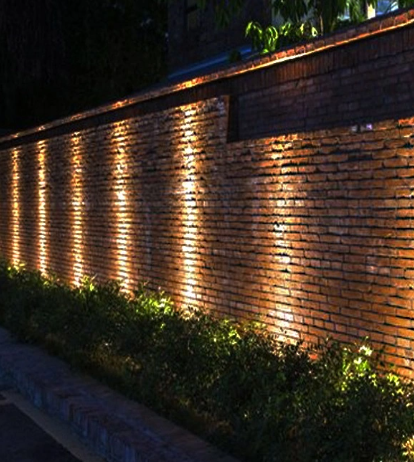
Wall Washers are lighting fixtures that are relatively easy to install, and the process can be completed by following a few simple steps. Here is a detailed guide on how to install Wall Washers:
Planning and preparation: Before starting the installation process, it is important to plan out where the Wall Washers will be placed and how they will be positioned to achieve the desired lighting effect. Make sure to take measurements and consider factors such as the distance between fixtures, the angle of light projection, and the power source location.
Mounting the fixtures: Begin by marking the positions on the wall where the Wall Washers will be installed. Use a level to ensure that the fixtures are mounted straight. Depending on the type of Wall Washer, they can be mounted using screws, brackets, or mounting clips. Make sure to secure the fixtures tightly to the wall to prevent any movement.
Wiring: Once the fixtures are mounted, the next step is to connect the wiring. This involves running the power cables from the fixtures to the power source, such as a junction box or a power outlet. It is important to follow the manufacturer's instructions and local electrical codes when connecting the wiring to ensure safety.
Testing: After the fixtures are securely mounted and the wiring is connected, it is essential to test the Wall Washers to ensure that they are functioning properly. Turn on the power and check each fixture to see if they are emitting light evenly and as expected. Make any necessary adjustments to the positioning or angle of the fixtures if needed.
Final adjustments: Once the Wall Washers are installed and tested, make any final adjustments to the positioning or angle of the fixtures to achieve the desired lighting effect. This may involve tilting or rotating the fixtures to ensure that the light is evenly distributed on the wall surface.
Overall, the installation of Wall Washers is considered to be a moderate level of difficulty. While it does require some basic knowledge of electrical wiring and mounting procedures, most homeowners or DIY enthusiasts should be able to successfully install Wall Washers with the proper tools and instructions. If you are unsure about any aspect of the installation process, it is recommended to consult a professional electrician to ensure the job is done safely and correctly.
When it comes to materials and styles, Wall Washers offer a wide range of choices to suit various design preferences and functional requirements. Here are some common options available:
Materials:
Metal: Wall Washers made of metal, such as aluminum or stainless steel, are popular for their durability and sleek appearance. They are often used in contemporary and modern settings.
Plastic: Plastic Wall Washers are lightweight and cost-effective. They are commonly used in residential settings or areas where budget is a concern.
Glass: Wall Washers with glass components add an elegant touch to the lighting fixture. They are often used in upscale or decorative settings.
Styles:
Recessed: Recessed Wall Washers are installed into the wall, providing a seamless and clean look. They are commonly used in architectural lighting to wash the walls with a soft, even glow.
Surface-mounted: Surface-mounted Wall Washers are directly mounted onto the surface of the wall, making them easier to install and maintain. They are suitable for both residential and commercial applications.
Track-mounted: Wall Washers that are track-mounted offer flexibility in adjusting the position and direction of the light. They are commonly used in galleries, museums, or retail spaces where adjustable lighting is required.
Adjustable: Adjustable Wall Washers allow for customization of the lighting direction, enabling users to highlight specific areas or objects. They are versatile and suitable for various applications, including art galleries, showcases, or accent lighting.
Finishes:
Matte: Matte finishes on Wall Washers provide a subtle and understated appearance. They are often used in minimalist or contemporary settings.
Polished: Polished finishes add a touch of elegance and sophistication to the Wall Washers. They are commonly used in high-end hospitality spaces or luxury interiors.
Textured: Wall Washers with textured finishes, such as brushed or hammered, create visual interest and add character to the lighting fixture. They are suitable for spaces with a rustic or industrial design theme.
Color temperature:
Warm white: Wall Washers with warm white color temperature (2700K-3000K) create a cozy and inviting ambiance, often used in residential or hospitality settings.
Cool white: Wall Washers with cool white color temperature (4000K-5000K) provide a bright and energetic lighting effect, suitable for commercial spaces or areas where task lighting is required.
It is important to consider the specific requirements of the space and the desired aesthetic when choosing the materials and styles for Wall Washers. By selecting the right combination, Wall Washers can effectively enhance the overall atmosphere and visual appeal of any environment.
Overall, proper maintenance, regular inspections, and following manufacturer guidelines for installation and usage can help prevent or minimize the risk of Wall Washers failure. In case of any issues, it is recommended to consult a professional electrician or lighting technician for troubleshooting and repairs.
