

Flood lights are powerful lighting fixtures that project a broad, bright beam of light over a large area. These lights are typically used for outdoor lighting applications, such as illuminating sports fields, parking lots, and building facades.
One of the main advantages of flood lights is their ability to provide exceptional illumination over a large area. The broad beam of light produced by these fixtures can cover a wide area, making them ideal for lighting up large parking lots, sports fields, and other outdoor areas. This makes them a popular choice for commercial and industrial applications, where large areas need to be illuminated for safety and security reasons.
Another advantage of flood lights is their versatility. These lights come in a wide range of sizes, shapes, and styles, allowing them to be customized to fit specific lighting needs. They can be mounted on poles or walls, making them perfect for illuminating tall structures, such as buildings or bridges. Additionally, many flood lights are now available with adjustable angles, allowing users to control the direction of the beam of light.
Flood lights are also highly durable and long-lasting. They are typically made from high-quality materials that can withstand harsh weather conditions, such as extreme temperatures, wind, and rain. This makes them ideal for use in outdoor environments where they may be exposed to the elements.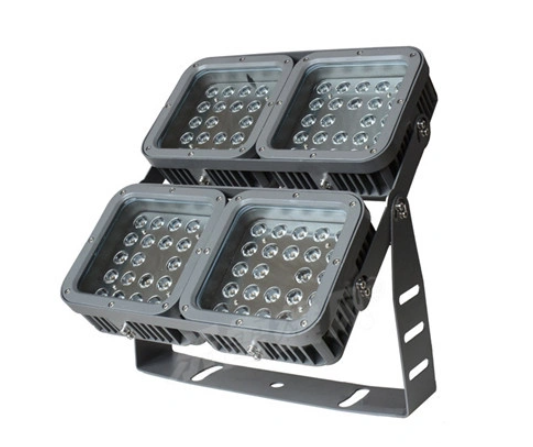
Finally, flood lights are also energy-efficient, with many models now available that utilize LED technology. LED flood lights are highly efficient and use significantly less energy than traditional lighting fixtures, resulting in lower energy bills and reduced environmental impact.
In conclusion, flood lights are powerful lighting fixtures that offer numerous advantages for a wide range of outdoor lighting applications. They provide exceptional illumination over a large area, are highly versatile, durable, and energy-efficient. Whether you need to light up a sports field, parking lot, or building facade, flood lights are an excellent choice for achieving high-quality, reliable illumination.
2. Is Flood Lights energy-saving?
Yes, floodlights can be energy-saving when they are designed with energy-efficient technology. Traditionally, floodlights use halogen or incandescent bulbs which consume a lot of energy and emit heat. However, with advances in lighting technology, newer floodlights are now available with LED bulbs that use significantly less energy and are more energy-efficient.
LED floodlights are highly efficient and use up to 80% less energy than traditional lighting fixtures. They have a longer lifespan than traditional bulbs, which means they need to be replaced much less frequently, resulting in lower maintenance costs. Additionally, LED floodlights are more durable and resistant to damage, making them suitable for use in outdoor environments.
In addition to LED technology, other features that contribute to the energy efficiency of floodlights include motion sensors and timers. Motion sensors detect movement and turn on the lights only when they are needed, reducing energy consumption and extending the lifespan of the bulbs. Timers allow you to set the floodlights to turn on and off at specific times, ensuring that they are only used when necessary.
It is also worth noting that energy-efficient floodlights not only save money on energy bills, but they also have a positive impact on the environment. By reducing energy consumption, they help to conserve natural resources and reduce emissions that contribute to climate change.
In conclusion, floodlights can be energy-saving when they are designed with energy-efficient technology such as LED bulbs, motion sensors, and timers. These features not only save money on energy bills but also have a positive impact on the environment. When choosing floodlights, it is important to consider their energy efficiency as well as their brightness and durability to ensure that you get the best value for your money.
3. What are the usage scenarios of Flood Lights ?
Flood lights are a versatile lighting solution that can be used in a wide variety of settings and scenarios. Here are some of the common usage scenarios of flood lights:
Outdoor Sports Lighting: Flood lights are commonly used for lighting outdoor sports fields, such as football fields, baseball diamonds, and tennis courts. These lights are designed to provide bright, even illumination over a large area, allowing players and spectators to see clearly.
Parking Lot Lighting: Flood lights are also frequently used to illuminate parking lots and garages. These lights provide bright, even illumination that enhances safety and security, making it easier for drivers to navigate and park their vehicles.
Building Facade Lighting: Flood lights are often used to light up the facades of buildings, highlighting architectural features and creating an eye-catching display. This type of lighting can be used to enhance the appearance of commercial buildings, hotels, and public spaces.
Security Lighting: Flood lights are a popular choice for security lighting, as they can be used to illuminate dark areas around buildings, fences, and other structures. This helps to deter intruders and provides increased visibility for security cameras.
Landscape Lighting: Flood lights can be used to illuminate outdoor landscapes, including gardens, paths, and water features. These lights are often used to enhance the visual appeal of outdoor spaces and create a warm, inviting atmosphere.
Industrial Lighting: Flood lights are frequently used in industrial settings, such as factories, warehouses, and construction sites. These lights provide bright, even illumination that helps workers to see clearly and work safely.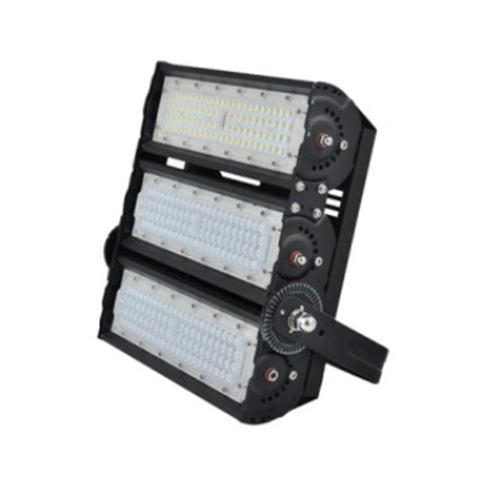
In conclusion, flood lights are a versatile lighting solution that can be used in a wide variety of settings, from outdoor sports fields and parking lots to building facades and landscapes. They provide bright, even illumination that enhances safety, security, and visual appeal, making them an ideal choice for many different scenarios. Whether you need to illuminate a sports field, a parking lot, or a building facade, flood lights are a reliable and effective lighting solution.
4. How to install Flood Lights and how difficult is it?
Installing flood lights can be a relatively straightforward process, but it may require some basic knowledge of electrical wiring and tools. Here are some general steps to follow when installing flood lights:
Choose the location: Determine the best location for the flood lights based on the area you want to illuminate. Typically, flood lights are mounted on a wall or pole, but they can also be mounted on the ground or ceiling.
Install the mounting bracket: If mounting on a wall, install the mounting bracket at the desired location using screws and anchors. Make sure the bracket is installed securely and level.
Connect the wiring: Run electrical wiring from the power source to the location of the flood lights. This may require drilling holes in walls or running wiring underground. Make sure to follow all electrical safety guidelines, and if you are not comfortable with electrical wiring, it is best to hire a professional electrician.
Mount the fixture: Install the flood light fixture onto the mounting bracket and secure it in place using screws or other hardware provided with the fixture.
Test the lights: Once the installation is complete, turn on the power and test the flood lights to ensure they are working properly. Make any necessary adjustments to the angle or direction of the lights to achieve the desired lighting effect.
Overall, the difficulty of installing flood lights will depend on the complexity of the installation and your level of experience with electrical wiring. While some installations may be simple and straightforward, others may require more advanced electrical skills. If you are unsure about any aspect of the installation process, it is best to consult with a professional electrician to ensure that the installation is done safely and correctly.
5. What are the choices of materials and styles for Flood Lights ?
Flood Lights are an essential part of any outdoor lighting scheme. They are designed to provide bright and even illumination across a wide area, making them ideal for lighting up large outdoor spaces such as yards, gardens, driveways, parking lots, and sports fields. Flood lights come in a range of materials and styles, each with their own unique benefits and drawbacks.
Materials:
Aluminum: Aluminum is a popular choice for flood lights as it is lightweight, durable, and corrosion-resistant. It is also an excellent conductor of heat, which helps to dissipate heat generated by the light source. Aluminum flood lights are usually painted or powder-coated to improve their weather resistance.
Stainless Steel: Stainless steel is another popular material for flood lights. It is extremely durable and resistant to corrosion, making it ideal for use in harsh outdoor environments. Stainless steel flood lights are often more expensive than their aluminum counterparts, but they offer superior durability and longevity.
Plastic: Plastic is a lightweight and inexpensive material that is commonly used in flood lights. It is not as strong or durable as aluminum or stainless steel, but it is relatively weather-resistant and can provide adequate protection for the light source.
Styles:
Traditional Flood Lights: Traditional flood lights are the most common style of flood light. They are typically rectangular or square in shape and feature a single light source that is surrounded by a reflector. Traditional flood lights are available in a range of sizes, with larger models providing more powerful illumination.
LED Flood Lights: LED flood lights are becoming increasingly popular due to their energy efficiency and long lifespan. They use less energy than traditional flood lights and produce less heat, making them ideal for use in outdoor areas where the temperature can be high. LED flood lights are available in a range of color temperatures, from warm white to cool white, and they can be dimmed to create the desired lighting effect.
Solar Flood Lights: Solar flood lights are a great option for those looking to reduce their energy consumption and lower their carbon footprint. They use solar panels to convert sunlight into energy that is stored in a battery, which powers the light source at night. Solar flood lights are available in a range of sizes and styles, and they are often equipped with motion sensors to conserve energy when not in use.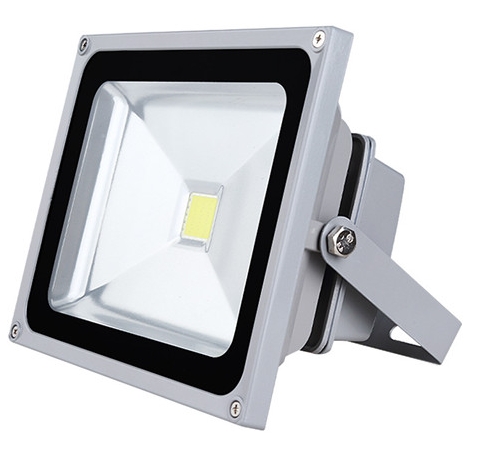
In conclusion, flood lights are an essential component of any outdoor lighting scheme. They provide bright and even illumination across a wide area, making them ideal for lighting up large outdoor spaces. Flood lights come in a range of materials and styles, each with their own unique benefits and drawbacks. When choosing a flood light, it is important to consider factors such as durability, energy efficiency, and the desired lighting effect.
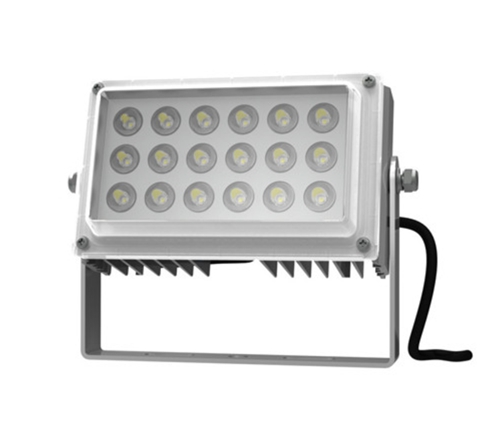
In conclusion, the future of floodlights is bright, with many exciting developments on the horizon. Energy efficiency, smart technology, solar power, wireless connectivity, and modular design are just a few of the trends set to shape the future of floodlights. As these technologies continue to advance, floodlights will become even more versatile, efficient, and easy to use, making them an essential part of any outdoor lighting system.
We are an innovation-oriented manufacturer of LED lighting in China, specializing in the innovative manufacturing of LED bollard light, LED spike light, Outdoor Wall light, LED Inground light, LED Underwater light, and more interior LED lighting for over 8 years. With excellent quality and top-notch service, our company won great popularity among customers.
