

1. What is Wall Lights ? What are the advantages of Wall Lights ?
Wall lights are among the most popular types of lighting fixtures in homes and commercial buildings. As the name suggests, these lights are typically mounted on walls and are designed to provide both ambient and accent lighting. They come in a wide range of styles, shapes, and sizes to suit various design preferences and applications.
One of the primary advantages of wall lights is that they are space-saving. Unlike floor lamps or table lamps, they don't take up any floor space or clutter up tables. This makes them an ideal lighting solution for smaller rooms or spaces where space is at a premium. Wall lights can be mounted at any height on the wall, depending on the user's preference, making them a versatile choice for all kinds of spaces.
Another advantage of wall lights is that they provide a good source of ambient lighting. Ambient lighting refers to the general lighting in a room that helps to create a warm and inviting atmosphere. Wall lights can be installed with dimmer switches, which allow users to adjust the brightness of the light to create the desired mood and ambiance. Additionally, wall lights can also be used to accentuate specific features of a room, such as artwork, architectural details, or furniture pieces.
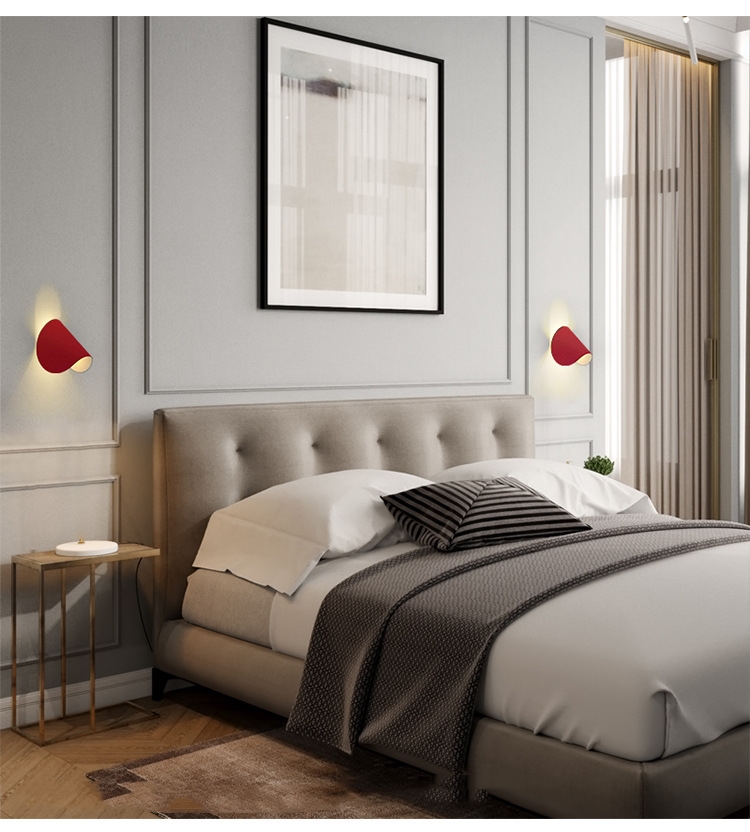
Wall lights are also an energy-efficient lighting option. Many modern wall lights feature LED bulbs which consume less energy than traditional bulbs, making them an eco-friendly and cost-effective option. LED bulbs have a longer lifespan, and they emit less heat, which means they are less likely to overheat and cause fire hazards. Moreover, they offer a variety of color temperatures to suit different settings and moods.
Wall lights are also easy to install and maintain. They don't require any complicated wiring or installation processes, and they come with easy-to-follow instructions for installation. Most wall lights are made using high-quality materials, which makes them durable and long-lasting. They are also easy to clean and maintain, requiring only occasional dusting and wiping down with a damp cloth.
In conclusion, wall lights are an excellent lighting solution for homes and commercial buildings. They offer a wide range of benefits, including space-saving, ambient lighting, energy efficiency, ease of installation, and ease of maintenance. With a vast selection of styles and designs available, wall lights can be customized to fit any decor and can help create a warm and inviting atmosphere in any room.
2. Is Wall Lights energy-saving?
Yes, wall lights are energy-saving and environmentally friendly lighting solutions. With the increasing awareness of the importance of sustainability, people are looking for ways to reduce their carbon footprint and lower their energy bills. Wall lights are a great option for those who want to reduce their energy consumption while still enjoying the benefits of good lighting.
One of the main reasons why wall lights are energy-saving is that they use LED bulbs. LED technology is far more energy-efficient than traditional incandescent bulbs. LED bulbs use up to 90% less energy than incandescent bulbs and last up to 25 times longer. This means that using LED wall lights can significantly reduce energy consumption and lower energy bills.
Another advantage of LED wall lights is that they emit less heat. Incandescent bulbs give off a lot of heat, which not only wastes energy but also poses a fire hazard. LED bulbs, on the other hand, do not emit much heat, making them safer and more environmentally friendly.
Moreover, many wall lights are designed with energy-saving features. For example, some wall lights come with sensors that automatically turn off the light when there is no movement in the room. This ensures that the light is not left on unnecessarily, which saves energy and reduces electricity bills.
One of the best things about wall lights is that they are easy to install and maintain. They do not require any complicated wiring or installation processes, and they come with easy-to-follow instructions for installation. This means that homeowners can save on installation costs and time, while also enjoying the benefits of energy-efficient lighting.
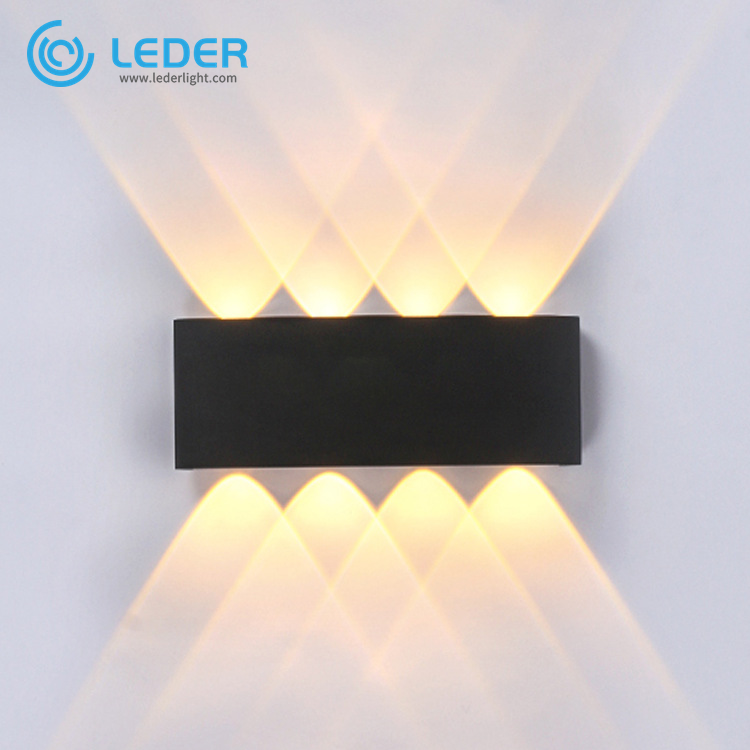
In conclusion, wall lights are an energy-saving and environmentally friendly lighting solution. With LED bulbs and energy-saving features, they can significantly reduce energy consumption and lower electricity bills. Moreover, they are easy to install and maintain, making them a convenient and cost-effective lighting choice for homeowners. With their numerous benefits, it's no wonder that wall lights are becoming an increasingly popular lighting solution for homes and commercial buildings alike.
3. What are the usage scenarios of Wall Lights ?
Wall lights are versatile lighting fixtures that can be used in a wide range of settings and applications. From homes and apartments to commercial buildings and public spaces, wall lights provide a practical and stylish lighting solution. Here are some of the most common usage scenarios of wall lights:
Hallways: Wall lights are often used to light up hallways in homes and apartments. They provide a soft and welcoming glow that helps guide people through the space. Wall lights mounted at different heights can also create a dynamic and interesting look.
Living Rooms: Wall lights can be used in living rooms to provide ambient lighting or to highlight architectural features or artwork. They can be mounted on accent walls or above a fireplace to add a touch of elegance and sophistication.
Bedrooms: Wall lights can be used in bedrooms to provide task lighting for reading or working. They can be mounted above the bed or on either side of the bed for easy access.
Bathrooms: Wall lights are a popular choice for bathroom lighting. They can be mounted above the mirror to provide task lighting for grooming or makeup application. Wall lights can also be used to create a relaxing and spa-like atmosphere in the bathroom.
Outdoor Spaces: Wall lights can be used to light up outdoor spaces such as patios, decks, and gardens. They provide a warm and inviting glow that enhances the beauty of the surrounding landscape. Outdoor wall lights can also provide security and safety by illuminating walkways and entryways.
Commercial Spaces: Wall lights are often used in commercial buildings such as offices, restaurants, and hotels. They can be used to highlight architectural features or to provide ambient lighting. Wall lights can also be used to create a specific mood or atmosphere in a space.
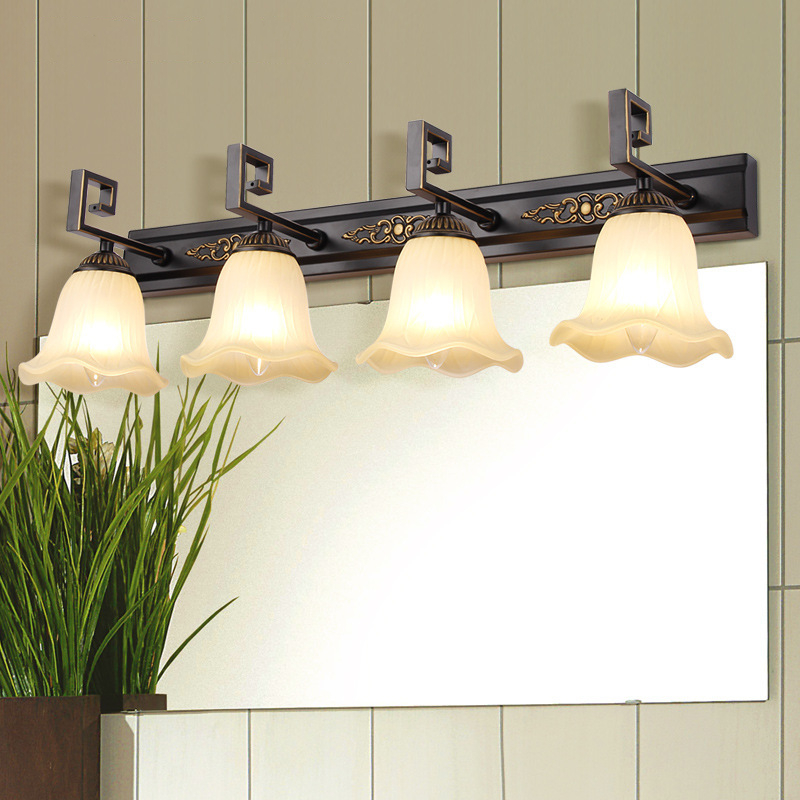
In conclusion, wall lights are an incredibly versatile lighting solution that can be used in a wide range of settings and applications. From providing ambient lighting in living rooms to highlighting artwork in galleries, wall lights offer a practical and stylish way to illuminate any space. With their numerous designs, shapes, and sizes, wall lights can be customized to fit any decor and style preference, making them a popular choice among homeowners and designers alike.
4. How to install Wall Lights and how difficult is it?
Installing wall lights can seem like a daunting task, but with the right tools and a bit of patience, it can be a relatively easy and straightforward process. Here are the steps to follow to install wall lights:
Choose the location: Decide where you want to install the wall lights. Make sure you choose a location that is accessible and has electrical wiring nearby.
Turn off the power: Before you begin, turn off the power to the area where you will be installing the wall lights. This is essential to ensure your safety during installation.
Mark the spot: Use a pencil to mark the location where you want to install the wall lights. You can use a level to ensure that the marks are straight and even.
Determine the wiring: Locate the electrical wiring in the wall. This can usually be done by using a voltage tester. Once you have located the wiring, mark the spot where you will be attaching the wires to the wall lights.
Install the mounting bracket: Secure the mounting bracket to the wall using screws and a drill. Make sure the bracket is level and securely attached.
Connect the wires: Connect the wires from the wall to the wires on the wall light fixture. This can usually be done by twisting the wires together and securing them with wire nuts. Make sure to follow the manufacturer's instructions for wiring the wall lights.
Attach the fixture: Once the wires are connected, attach the fixture to the mounting bracket using screws or other hardware provided with the fixture. Make sure to tighten the screws securely.
Turn on the power: After the fixture is installed, turn the power back on and test the wall lights to make sure they are working properly.
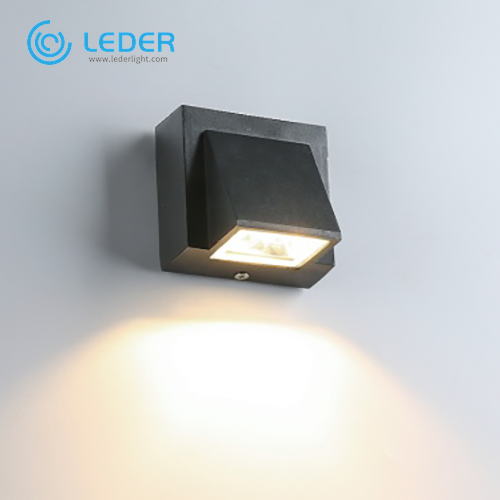
The difficulty of installing wall lights will depend on your level of experience with electrical work. If you are not comfortable working with electrical wiring, it is always best to hire a professional electrician to install the wall lights for you. However, if you have some experience with electrical work and follow the manufacturer's instructions carefully, installing wall lights can be a relatively easy and straightforward process. With the right tools and precautions, you can have your new wall lights up and shining in no time.
5. What are the choices of materials and styles for Wall Lights ?
Wall lights are an important aspect of any home's lighting design. They not only add to the overall aesthetic appeal of a room but also provide illumination in areas where overhead lighting may not be sufficient. The choices of materials and styles for wall lights are diverse and can be matched to any decor style.
Materials:
Wall lights can be made from a variety of materials, each with their own unique characteristics. Some of the most popular materials for wall lights include:
Metal: Metal wall lights are a popular choice due to their durability and sleek appearance. They come in a variety of finishes, including brushed nickel, chrome, and bronze.
Glass: Glass wall lights are a great option for adding a touch of elegance and sophistication to a room. They can be clear, frosted, or colored, and can be paired with a variety of metal finishes.
Ceramic: Ceramic wall lights are a great way to add a pop of color to a room. They can come in a variety of shapes and sizes and are perfect for adding a bit of texture to a plain wall.
Wood: Wooden wall lights are a great way to add warmth and texture to a room. They can be made from a variety of woods, including oak, maple, and cherry.
Styles:
Wall lights come in a wide range of styles, each with their own unique aesthetic appeal. Some of the most popular styles for wall lights include:
Modern: Modern wall lights are characterized by their clean lines and minimalist design. They often come in simple shapes, such as circles or rectangles, and are made from materials such as metal or glass.
Traditional: Traditional wall lights are often ornate and feature intricate details. They come in a variety of materials, including metal, glass, and ceramic, and are perfect for adding a touch of elegance to a room.
Industrial: Industrial wall lights are characterized by their raw, unfinished look. They often feature exposed metal pipes and wires and come in materials such as metal and wood.
Art Deco: Art Deco wall lights are characterized by their geometric shapes and bold colors. They often feature intricate designs and are perfect for adding a touch of glamour to a room.
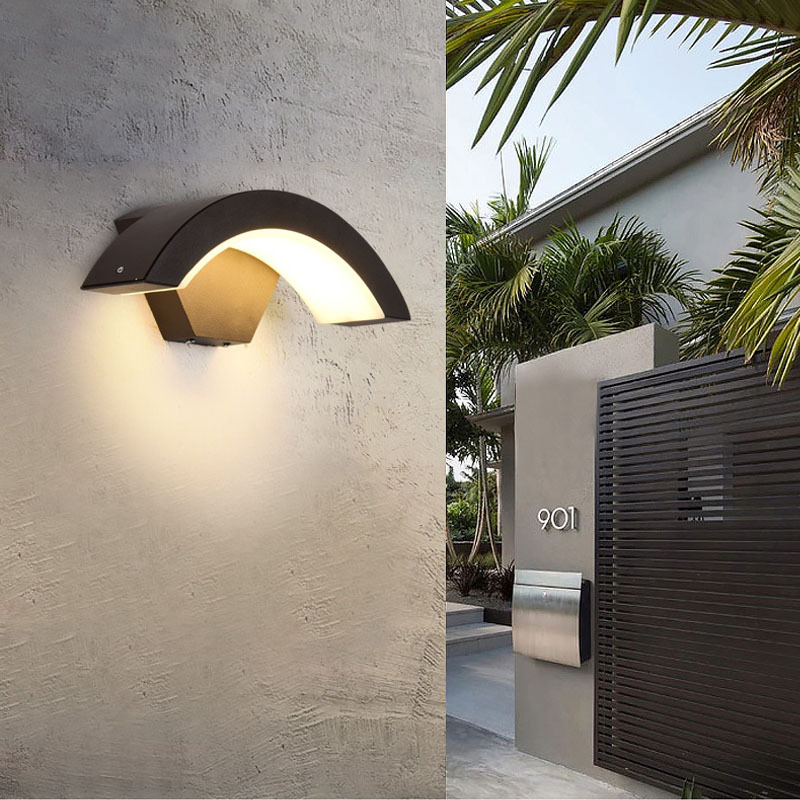
In conclusion, wall lights are an important part of any home's lighting design. The choices of materials and styles for wall lights are vast, allowing you to find the perfect light to complement your decor style. From modern to traditional, industrial to Art Deco, there is a wall light to suit every taste.
We are an innovation-oriented manufacturer of LED lighting in China, specializing in the innovative manufacturing of LED bollard light, LED spike light, Outdoor Wall light, LED Inground light, LED Underwater light, and more interior LED lighting for over 8 years. With excellent quality and top-notch service, our company won great popularity among customers.
